The “Islands of life” of the Serengeti: the Kopjes
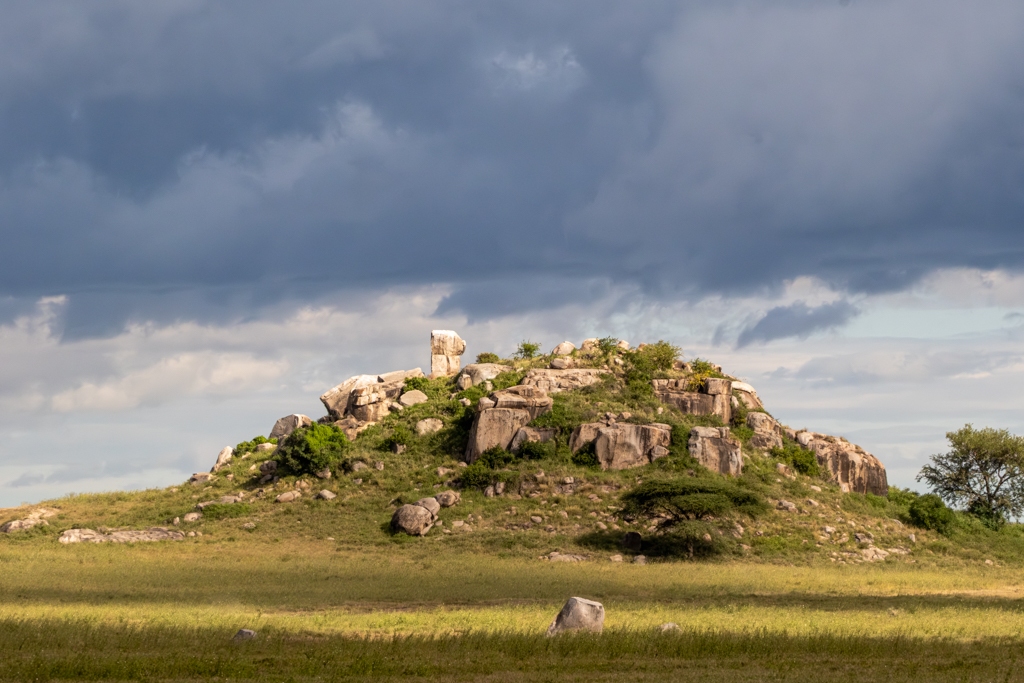
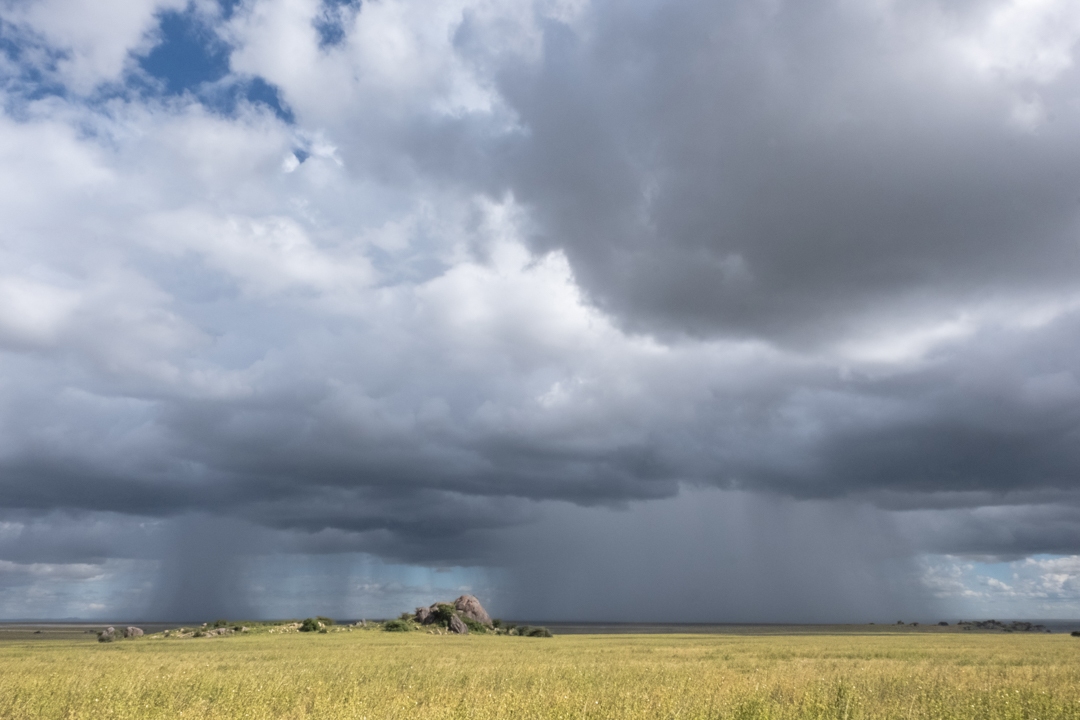
The kopjes are one of the most iconic and fascinating features of the Serengeti landscape. The name comes from the Afrikaans word “koppie,” which means “little head,” and they are essentially islands of granite rock that rise from the endless savannah.
Their formation is the result of a geological process that took place over millions of years. It all began underground, where molten magma cooled down slowly, creating massive granite formations. Over eons, tectonic movements pushed these ancient rocks towards the surface. Once exposed to the elements, they were relentlessly sculpted by time itself.
Erosion, primarily caused by wind and water, smoothed and rounded their shapes, wearing away the weaker layers and leaving only the harder, more compact portions of rock standing.
This process carved the bizarre and imposing formations we admire today.
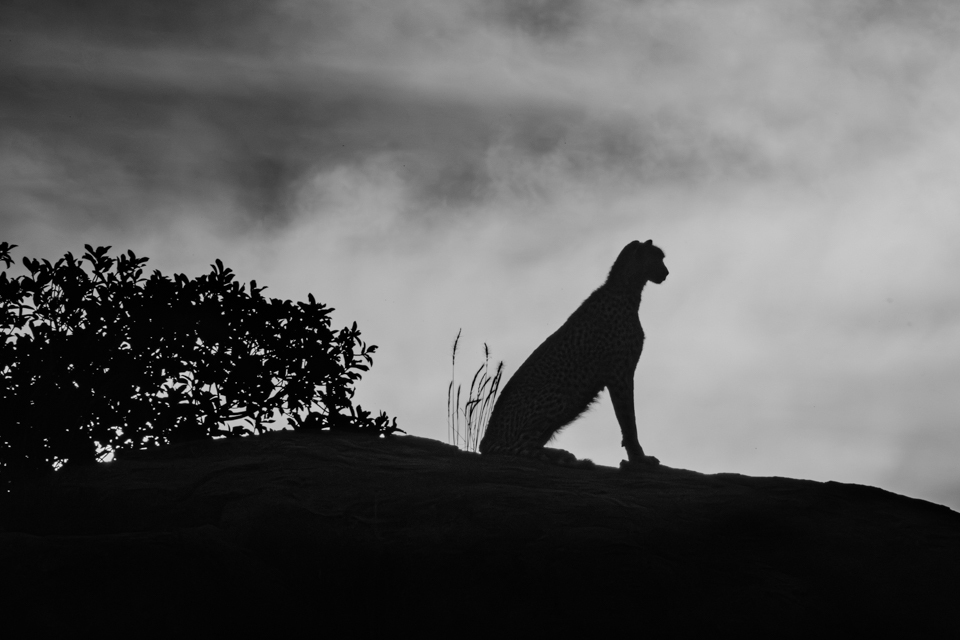
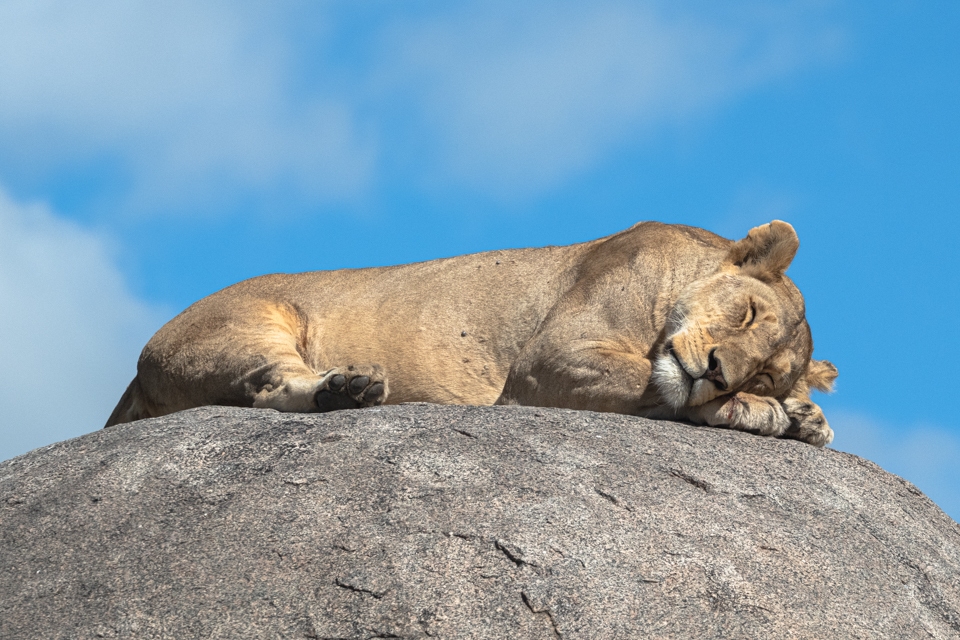
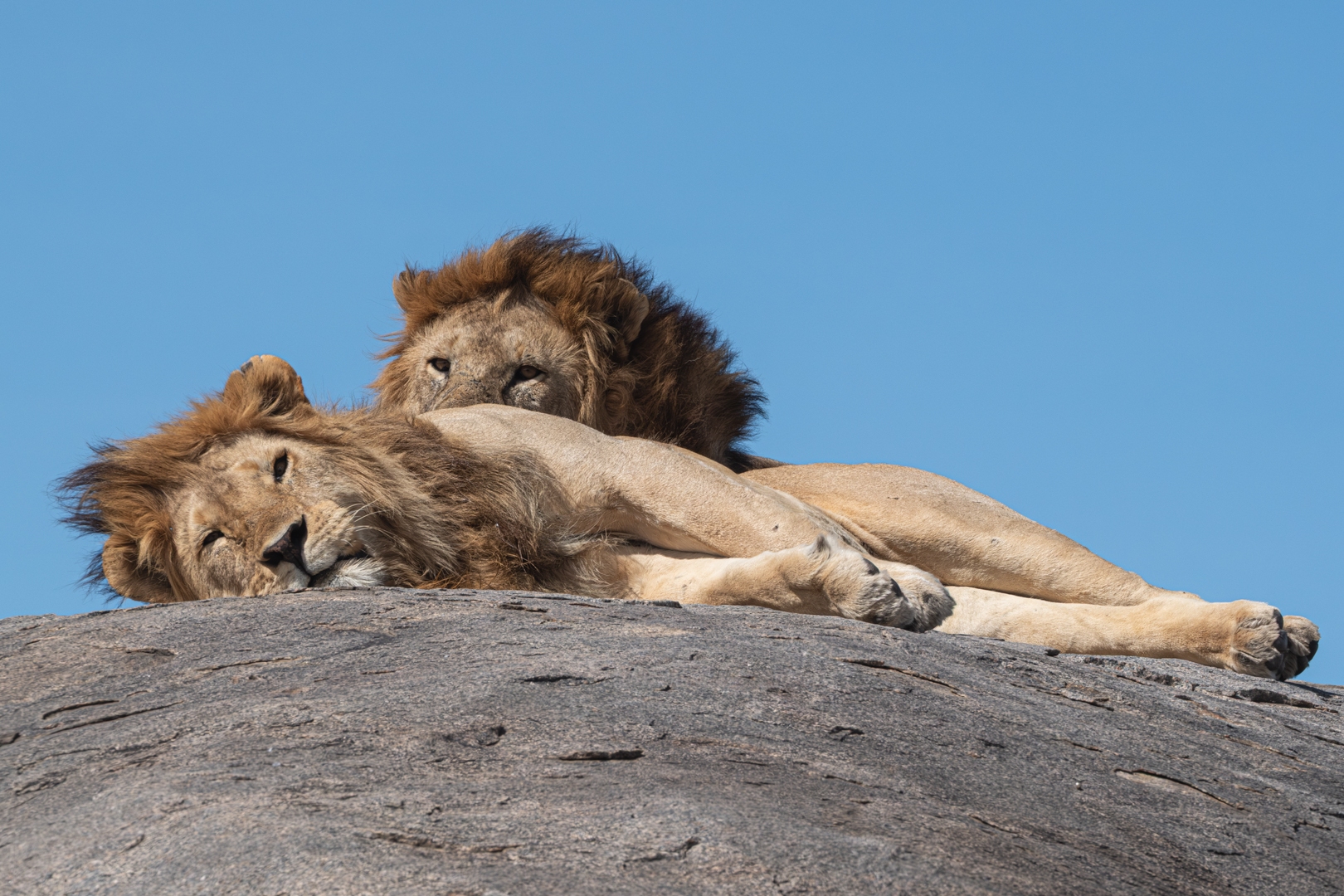
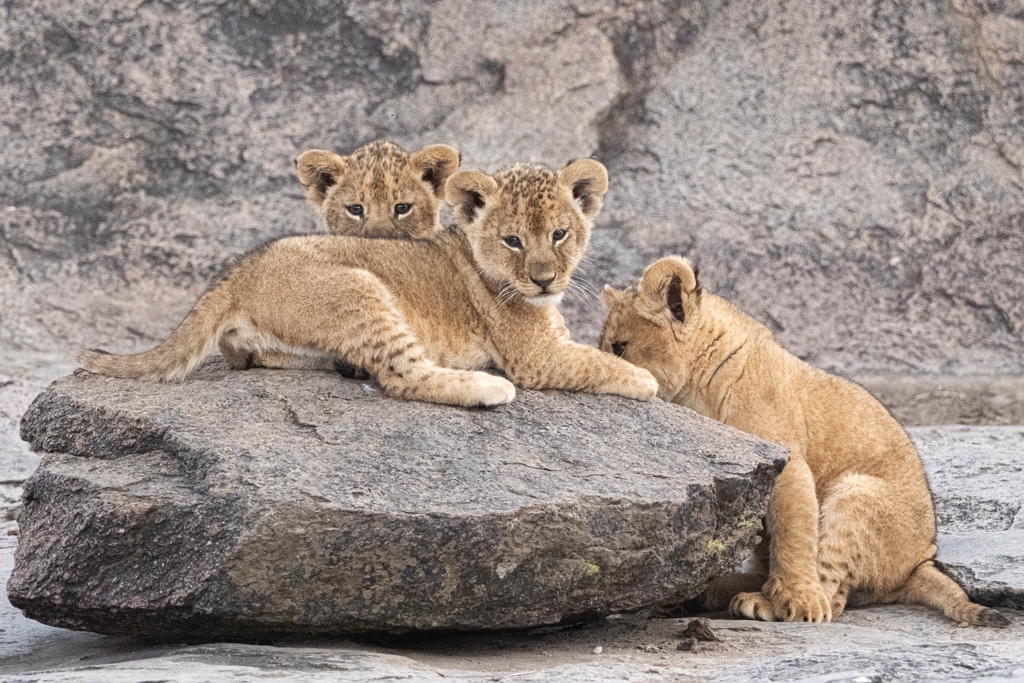
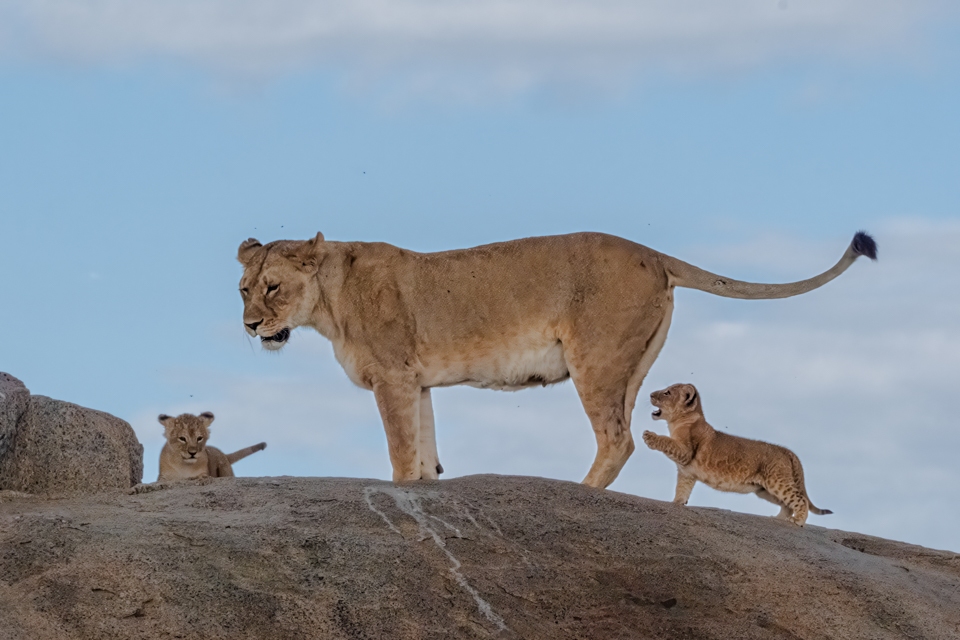
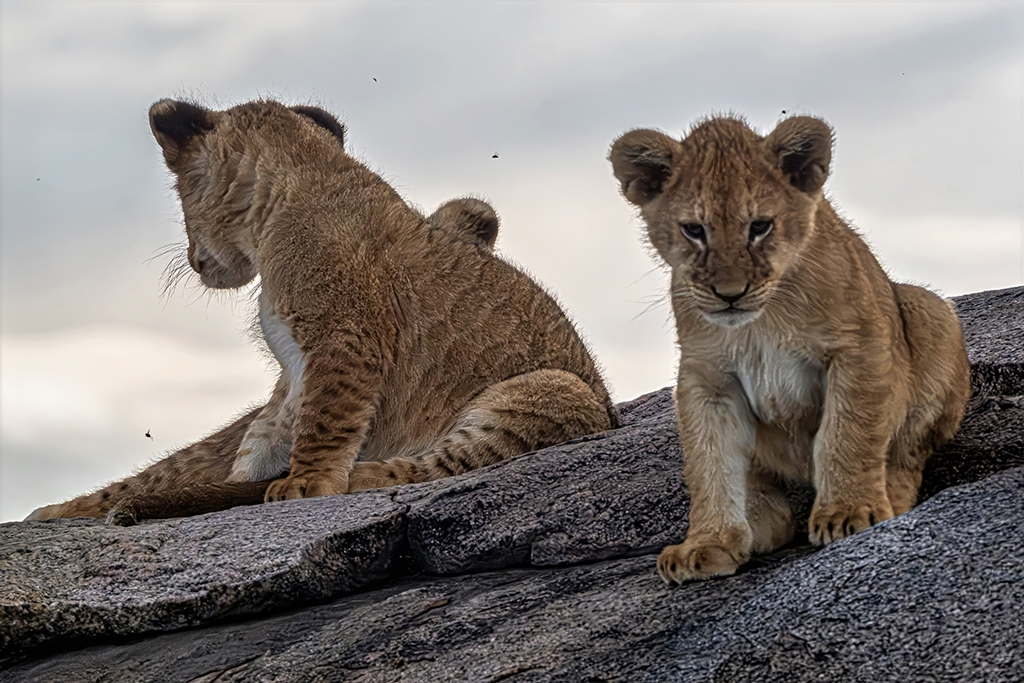
But kopjes aren’t just geological monuments; they are also crucial landmarks and oases of life. Their crevices and ledges offer shade, shelter, and protection from the annual savannah fires. The small pools of water that collect between the rocks and the fertile soil that builds up in their nooks allow plants and trees to grow, attracting a wide variety of animals. It’s not uncommon to see lions resting on their tops, using them as perfect vantage points to watch the savannah for prey, or to spot leopards camouflaging themselves among the boulders.
These ancient rocks tell the story of millions of years of Earth’s history and are witnesses to a vibrant and dynamic ecosystem.
Last update: 2025/08/24